The Bartolone Name
The surname Bartolone traces its roots to Sicily, particularly the regions surrounding Palermo and Messina. The name is believed to derive from Bartolo, a shortened form of Bartolomeo, the Italian equivalent of Bartholomew.
The surname Bartolone is widely recognized as a Sicilian surname, with its strongest historical concentrations in the provinces of Palermo and Messina. Modern surname studies consistently identify the name as being particularly associated with western and northeastern Sicily. The name is believed to derive from Bartolo, itself a shortened form of Bartolomeo, the Italian equivalent of the biblical name Bartholomew. Over time, descendants of a man known as Bartolo may have adopted surnames identifying their family branch, leading to forms such as Bartolo, Bartoloni, Bartolotta, Bartolini, and eventually Bartolone.
Bagheria is one of the places most strongly associated with the Bartolone surname in genealogical records. Researchers have identified Bagheria, near Palermo, as one of the primary historical concentrations of the name.
Today, descendants of the Bartolone family can be found throughout the United States and around the world, united by a shared heritage and a deep connection to their ancestral homeland.
Origins in the Medieval World
To understand the Bartolone surname, it helps to understand how Italian surnames developed. Before the 11th and 12th centuries, most people were known only by their given names. As towns grew and populations expanded, a single name was no longer enough to distinguish individuals. Families began adopting hereditary surnames based on: A father's name An occupation A hometown A personal characteristic A noble title or landholding The ancestor of the Bartolone line was most likely a man known as Bartolo or Bartolomeo, whose descendants gradually came to be identified as "those belonging to Bartolo's family." This pattern was extremely common throughout medieval Italy and led to hundreds of patronymic surnames still in use today.
Connections to Earlier Italian History
Surname researchers have linked Bartolone to a broader family of surnames descending from the medieval name Bartolus, a Latinized form of Bartolo that appears in historical records during the Middle Ages. One famous bearer was the renowned jurist Bartolus de Saxoferrato (1314-1357), whose name demonstrates the widespread use of Bartolus throughout medieval Italy. While this does not mean modern Bartolone families descend directly from Bartolus de Saxoferrato, it does show that the root name from which Bartolone developed was already established in Italy by the 1300s. This places the linguistic origins of the Bartolone surname at least several centuries before the surname itself became firmly established in Sicily.
Over time, the Bartolone surname became distinctly Sicilian. Modern surname distribution data places some of the highest concentrations of Bartolone families in: Palermo Bagheria Forza d'Agrò Messina Other neighboring Sicilian communities Genealogical records show particularly strong clusters around Bagheria and Palermo, which is especially meaningful given your family's roots in those exact locations. This suggests that the Bartolone name has been established in Sicily for many generations and likely became part of the island's cultural identity long before large-scale emigration to America began.
Sicily's Influence on the Family Name
The Bartolone story cannot be separated from the history of Sicily itself. Over the course of its history, Sicily was influenced by: Ancient Greeks Romans Byzantines Arabs Normans Aragonese Spaniards Italians Each civilization left its mark on Sicilian language, culture, architecture, food, and family traditions. While the Bartolone surname itself derives from an Italian personal name, the families who carried it lived in a region shaped by more than two thousand years of Mediterranean history. Their identity became uniquely Sicilian, blending influences from across Europe and the Mediterranean world.
By the late nineteenth and early twentieth centuries, economic hardship and opportunity abroad prompted many Sicilian families to leave the island. Thousands departed from Palermo and surrounding communities for: New York New Jersey Philadelphia Chicago California Argentina France During this period, the Bartolone surname crossed the Atlantic and became part of the larger story of Sicilian immigration to America. Families carried with them their language, traditions, recipes, faith, and strong sense of family identity. For many descendants, the surname became one of the most enduring connections to those origins.
The Bartolone Legacy Today
Today, the Bartolone name represents more than a family lineage. It reflects centuries of Sicilian history, generations of perseverance, and a cultural heritage rooted in Palermo, Bagheria, and the broader Sicilian experience. Although the exact first individual to bear the surname may never be known with certainty, the evidence suggests that the name evolved from the medieval name Bartolo, became established in Sicily many centuries ago, and remains closely connected to the island's history today. For descendants of the Bartolone family, the surname serves as a living reminder of where the journey began: on an island at the center of the Mediterranean, where generations built a legacy that continues to this day.
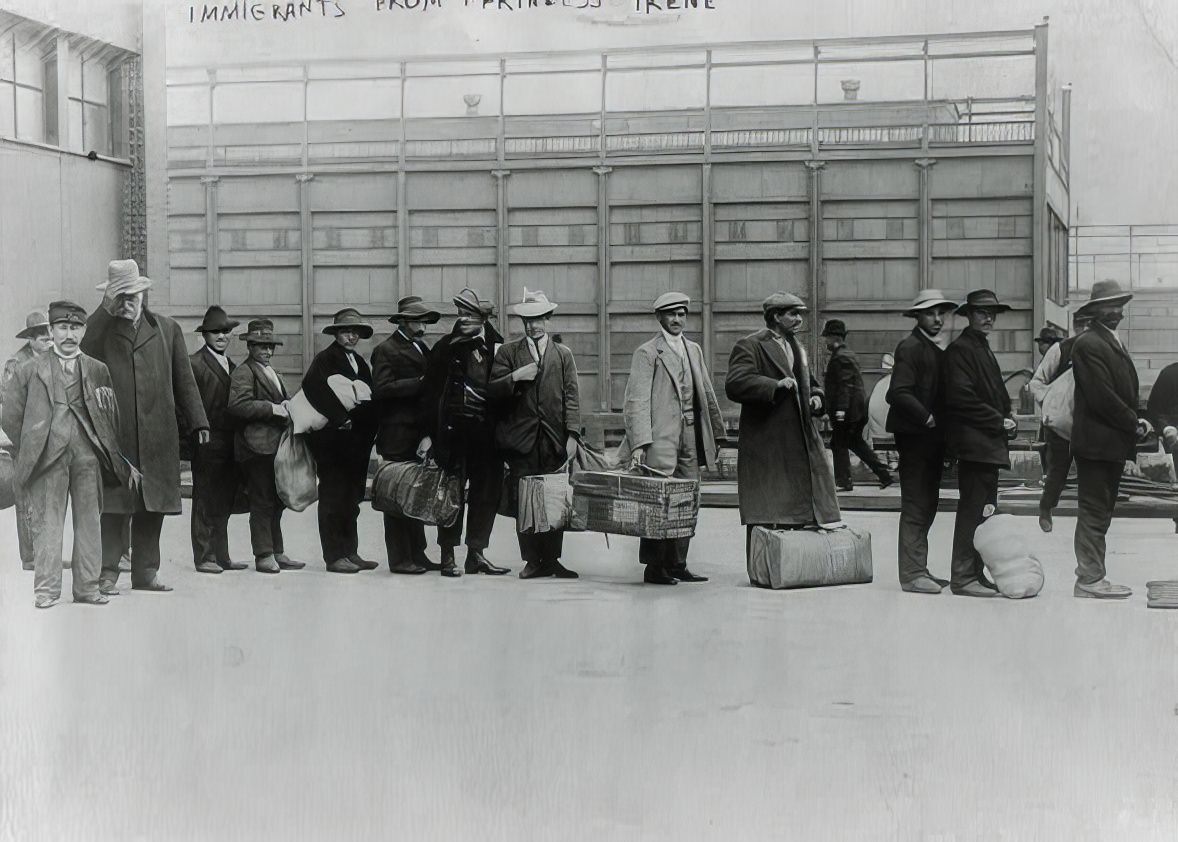
Sicily: A Crossroads of History
Few places possess a history as rich and layered as Sicily. Situated in the heart of the Mediterranean, the island was shaped by Greek philosophers, Roman emperors, Arab scholars, Norman kings, Spanish nobles, and Italian patriots.
Their combined influence gave rise to a culture unlike any other. A culture defined by resilience, hospitality, craftsmanship, family loyalty, and pride in tradition.
For countless Sicilian families, heritage is not simply a memory. It is a living connection to past generations and a responsibility to future ones.
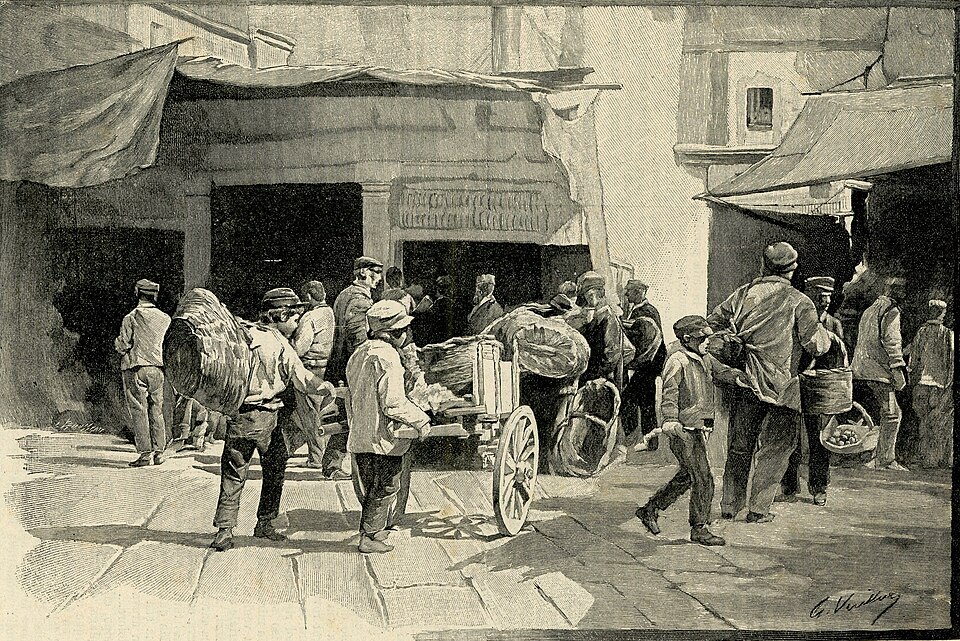
Bagheria
The town that helped shape generations of Sicilian families.
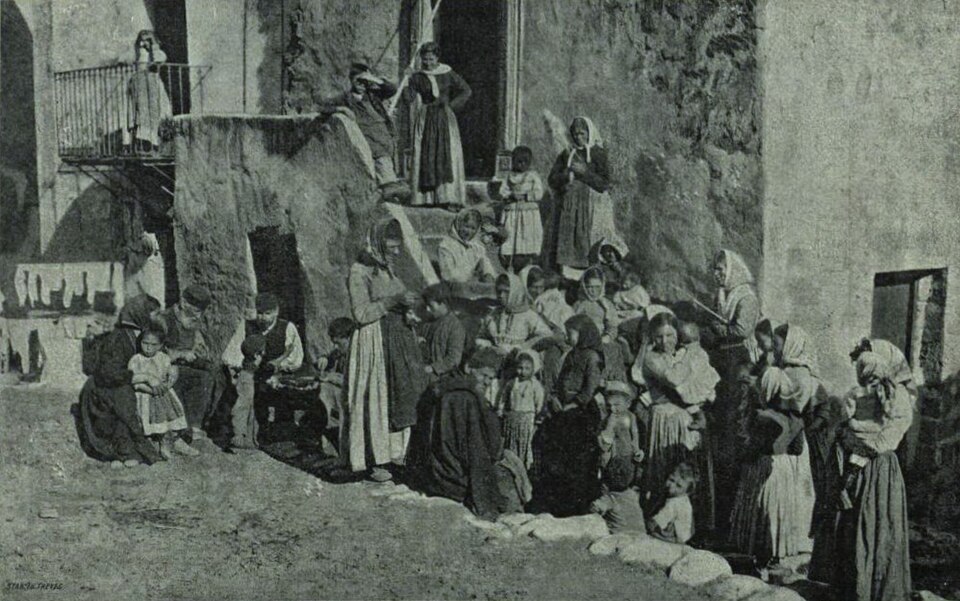
Family Traditions
Stories, values, celebrations, and memories passed forward.
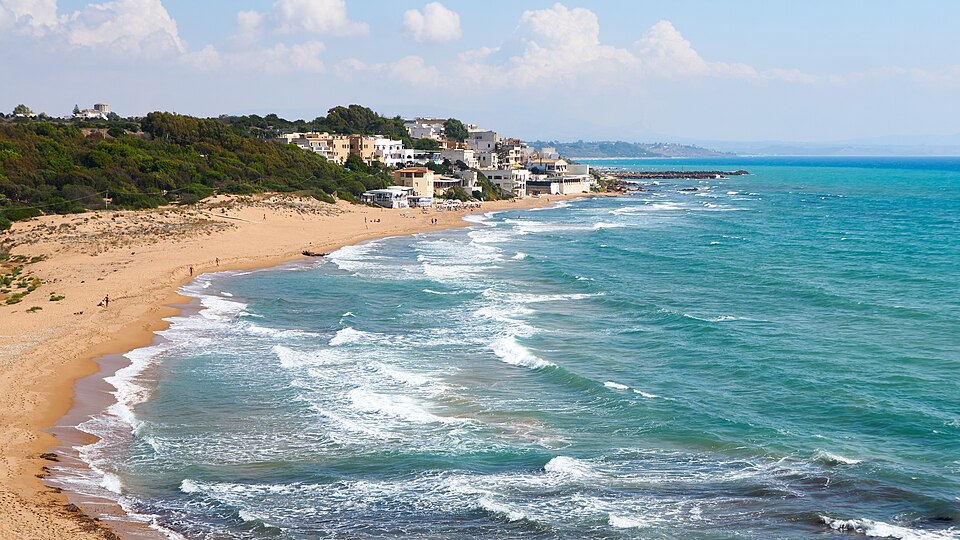
The Homeland
The landscapes that continue to inspire generations.
The Bartolone Journey
Origins
Early Sicilian naming traditions give rise to surnames derived from Bartolo and Bartolomeo.
Growth
Bartolone families establish roots throughout Sicily, particularly around Palermo and neighboring communities.
Immigration
New opportunities lead many Sicilian families to America, bringing culture and traditions with them.
Legacy
The Bartolone name continues through descendants who honor the past while building the future.
Heritage & Identity
For generations, the values carried by Sicilian families have extended far beyond geography. Heritage is not simply where a family comes from. It is found in the traditions passed through generations, the stories shared around family tables, and the sense of belonging that endures across time and distance. The Bartolone name represents a connection to this enduring Sicilian legacy. Through family, faith, and community, each generation contributes to a story that continues to evolve while remaining rooted in the values of those who came before.
Family
Strong family bonds have long been the foundation of Sicilian life. Grandparents, parents, children, and extended relatives often lived nearby or maintained close relationships that strengthened family identity across generations. Stories were shared over meals, traditions were preserved through holidays and celebrations, and lessons were passed from one generation to the next. Family history was not simply recorded in documents, but remembered through conversations, photographs, recipes, and cherished memories. For many descendants of Sicilian immigrants, including those who carry the Bartolone name, family remains the strongest connection to their ancestral homeland. The values of hard work, loyalty, hospitality, and mutual support continue to define the family's legacy today.
Faith
Faith has served as a guiding force throughout Sicilian history, shaping both daily life and community traditions. Churches often stood at the heart of towns and villages, serving not only as places of worship but also as centers of celebration, unity, and shared identity. Religious festivals, feast days, weddings, baptisms, and family gatherings brought generations together and reinforced the cultural traditions that defined Sicilian communities. These celebrations created lasting memories while strengthening bonds among families and neighbors. For many Sicilian families, faith represented more than religious practice. It provided hope during difficult times, gratitude during prosperous years, and a sense of continuity across generations. Those traditions remain an important part of the heritage carried by descendants today.
Community
Whether in Sicily or abroad, community has always played an essential role in preserving culture and identity. Villages, neighborhoods, and local marketplaces created spaces where families could gather, share experiences, and support one another through life's challenges and successes. When Sicilian families immigrated to places such as New York, New Jersey, Chicago, California, and beyond, they brought those same community values with them. New neighborhoods were built around familiar traditions, helping preserve language, customs, cuisine, and cultural pride. The story of the Bartolone family is part of this broader Sicilian experience. Across generations and across oceans, community has helped keep history alive, ensuring that the traditions and values of the past continue to inspire future generations.
Symbol of Sicily
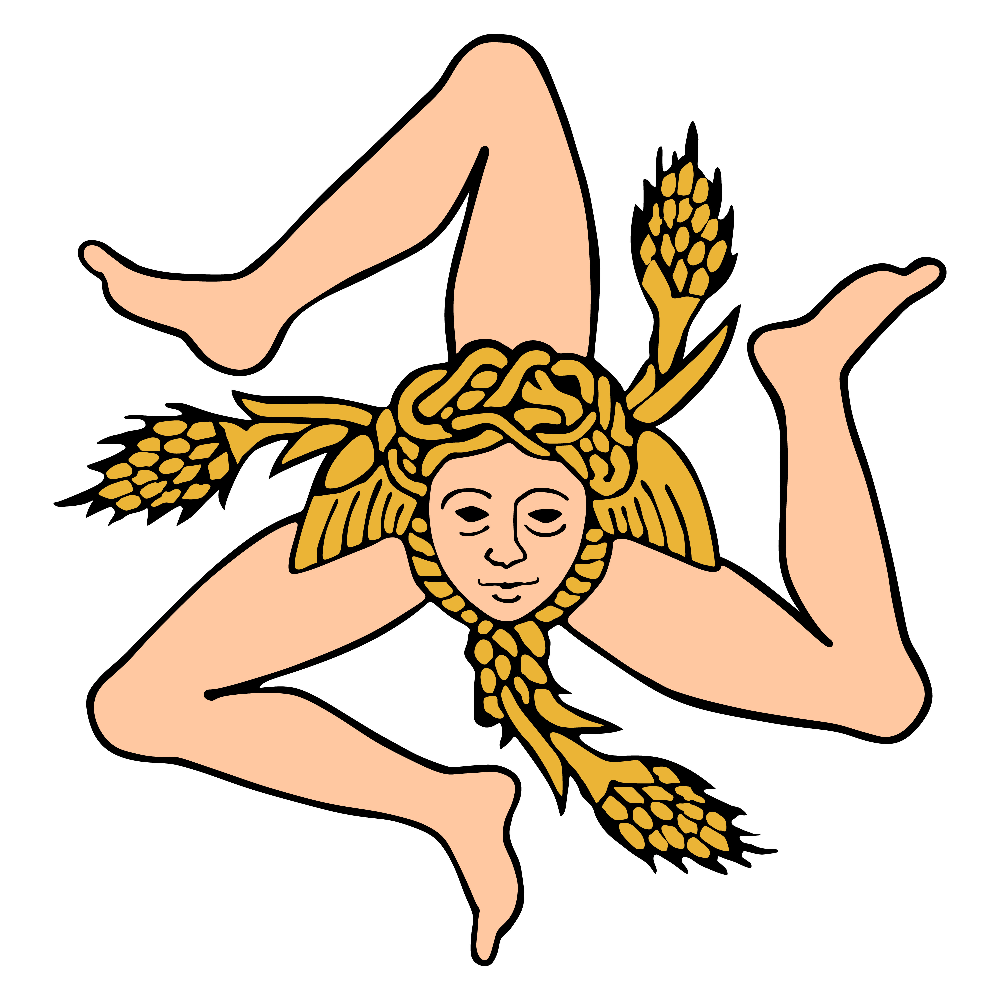
Long before modern flags and national identities, Sicily possessed a symbol that spoke to the island's unique place in the Mediterranean. Known as the Trinacria, it remains one of the oldest and most recognizable symbols associated with Sicily and the Sicilian people.
The name derives from the ancient Greek word Trinakrias, meaning "three promontories" or "three points," a reference to the triangular shape of the island itself. The symbol traditionally depicts three bent human legs radiating from a central point, representing Sicily's three major coastal points and its position at the crossroads of Europe, Africa, and the Mediterranean world.
At the center of the Trinacria is often the head of Medusa, surrounded by wheat stalks. In ancient symbolism, Medusa served as a protective figure meant to ward off evil and misfortune, while the wheat represented Sicily's long history as one of the most fertile agricultural regions of the Mediterranean. Together, these elements came to symbolize strength, protection, prosperity, and resilience.
Over centuries, the Trinacria evolved into a symbol not only of geography but of identity. It survived Greek colonization, Roman rule, Arab influence, Norman conquest, Spanish governance, and the eventual unification of Italy. Today it remains a proud emblem of the Sicilian people and is prominently displayed on the regional flag of Sicily.
For descendants of Sicilian families throughout the world, the Trinacria represents an enduring connection to the homeland and a reminder that cultural identity can survive long after generations have crossed oceans and settled in new lands.
Family Crests and Heraldry in Sicily and Italy
Throughout medieval and Renaissance Italy, heraldic crests and coats of arms played an important role in identifying families, cities, noble houses, military leaders, and religious institutions.
Unlike modern logos, heraldic symbols served as visual signatures. At a time when literacy was uncommon, these designs allowed individuals and families to communicate status, allegiance, accomplishments, and heritage through recognizable imagery.
Across Italy, noble families displayed their coats of arms on:
- Family estates
- Palaces and villas
- Churches and chapels
- Military banners
- Official documents
- Tombs and monuments
- Municipal buildings
A family's heraldic shield often incorporated meaningful symbols such as lions, eagles, crosses, stars, towers, swords, olive branches, or agricultural elements. Colors also carried symbolic meaning. Gold represented generosity and honor. Red symbolized courage and sacrifice. Green represented hope, abundance, and loyalty to the land.
In Sicily, heraldry became especially prominent during periods of Norman, Aragonese, and Spanish rule. Powerful Sicilian families often maintained elaborate coats of arms that reflected centuries of lineage and influence. These symbols appeared throughout Palermo, Messina, Catania, and many smaller towns where aristocratic families shaped local history.
However, it is important to understand that not every family possessed a documented coat of arms. Contrary to popular belief, surnames themselves did not automatically receive family crests. Heraldic arms were typically granted to specific individuals or noble lineages rather than to every person who shared a surname.
For this reason, while many websites sell generic "family crests," genuine heraldry is usually connected to a documented family branch and historical records rather than a surname as a whole.
Heritage Beyond Heraldry
For many Sicilian descendants today, heritage is represented by something greater than a coat of arms.
Family photographs preserved through generations.
Recipes carried from Sicily to America.
Stories told by grandparents.
Religious celebrations.
Traditional values.
Connections to towns such as Palermo and Bagheria.
While heraldic symbols can provide a fascinating window into history, the true legacy of a family is often found not on a shield, but in the lives of the people who carried the family name forward.
For the Bartolone family, that legacy continues through each generation that remembers its roots, honors its ancestors, and preserves the traditions that began on the shores of Sicily.
The Legacy Continues
More than a surname, Bartolone represents generations of determination, sacrifice, tradition, and love of family.
Though continents and oceans separate modern descendants from Sicily, the island remains forever woven into the story.
"A heritage remembered. A legacy continued."